












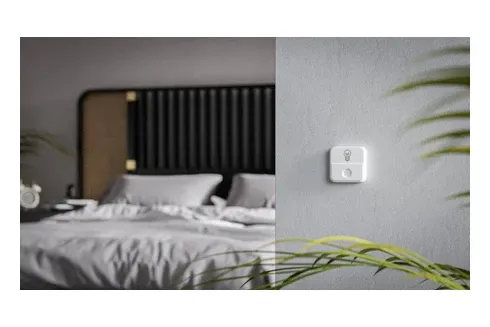

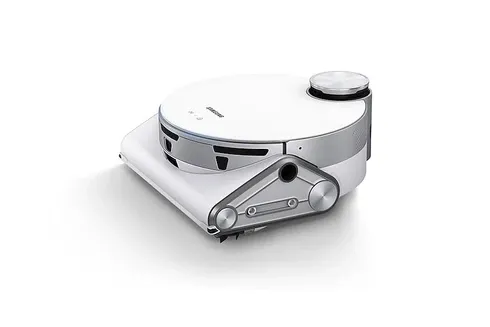
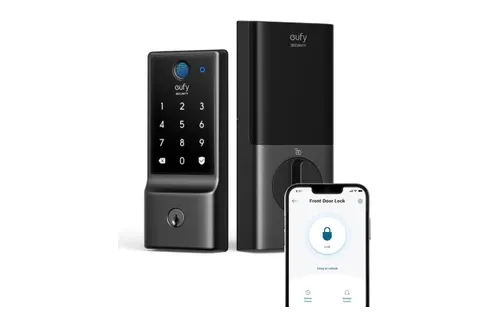
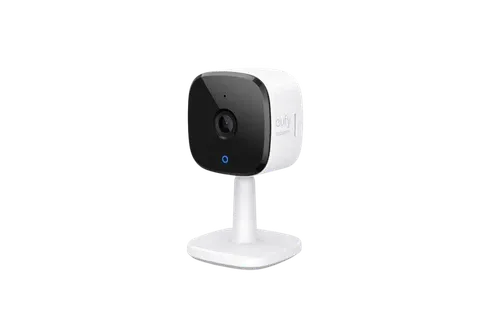

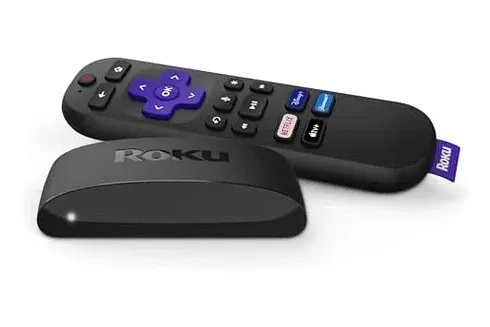
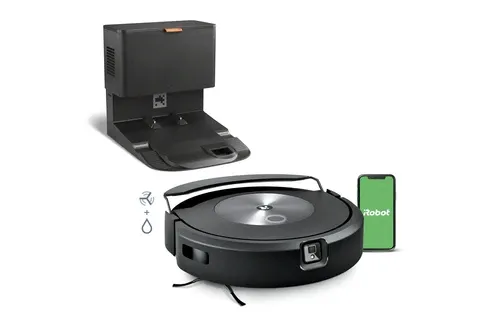
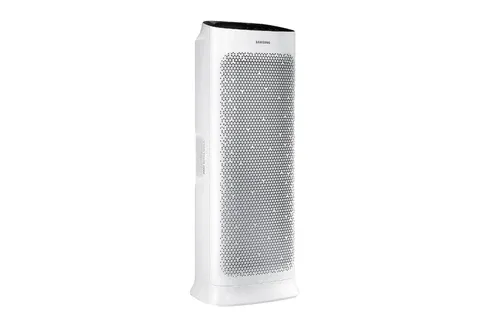
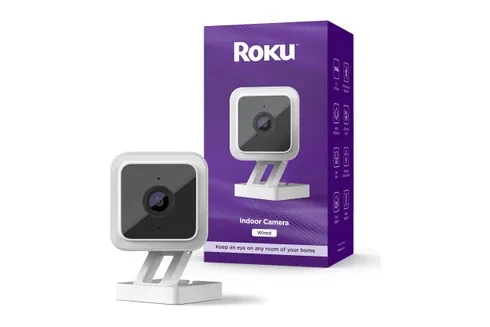
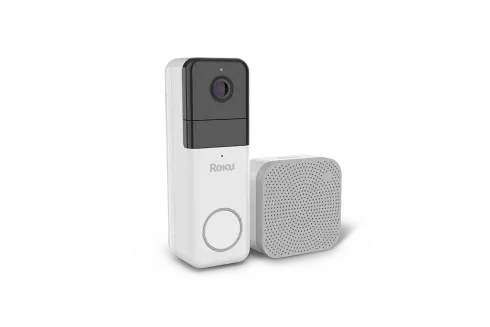
Smart homes are no longer futuristic fantasies-they’re everyday realities driven by Smart Devices that simplify routines, lower utility bills, and strengthen security. This guide spotlights the best and top gadgets of 2024 so you can upgrade an interconnected ecosystem that feels tailor-made for your lifestyle.
Understanding Smart Devices
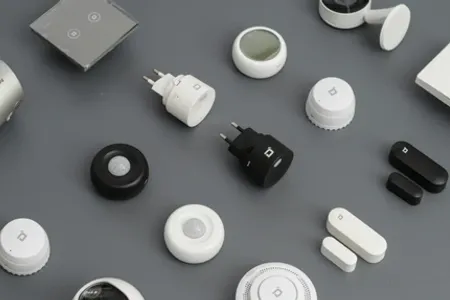
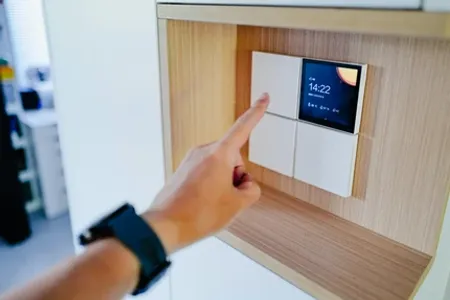
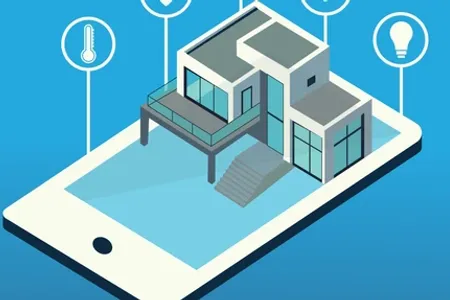
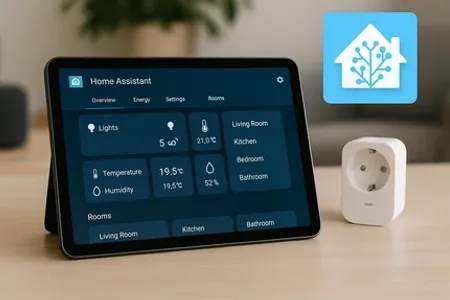
A Smart Device is any appliance, sensor, or hub that connects to the internet and responds to your commands through an app, dashboard, or voice assistant. Whether it’s a light bulb that shifts colors with a swipe or a thermostat that learns your habits, each component contributes to a cohesive, intelligent home.
How Smart Devices Communicate
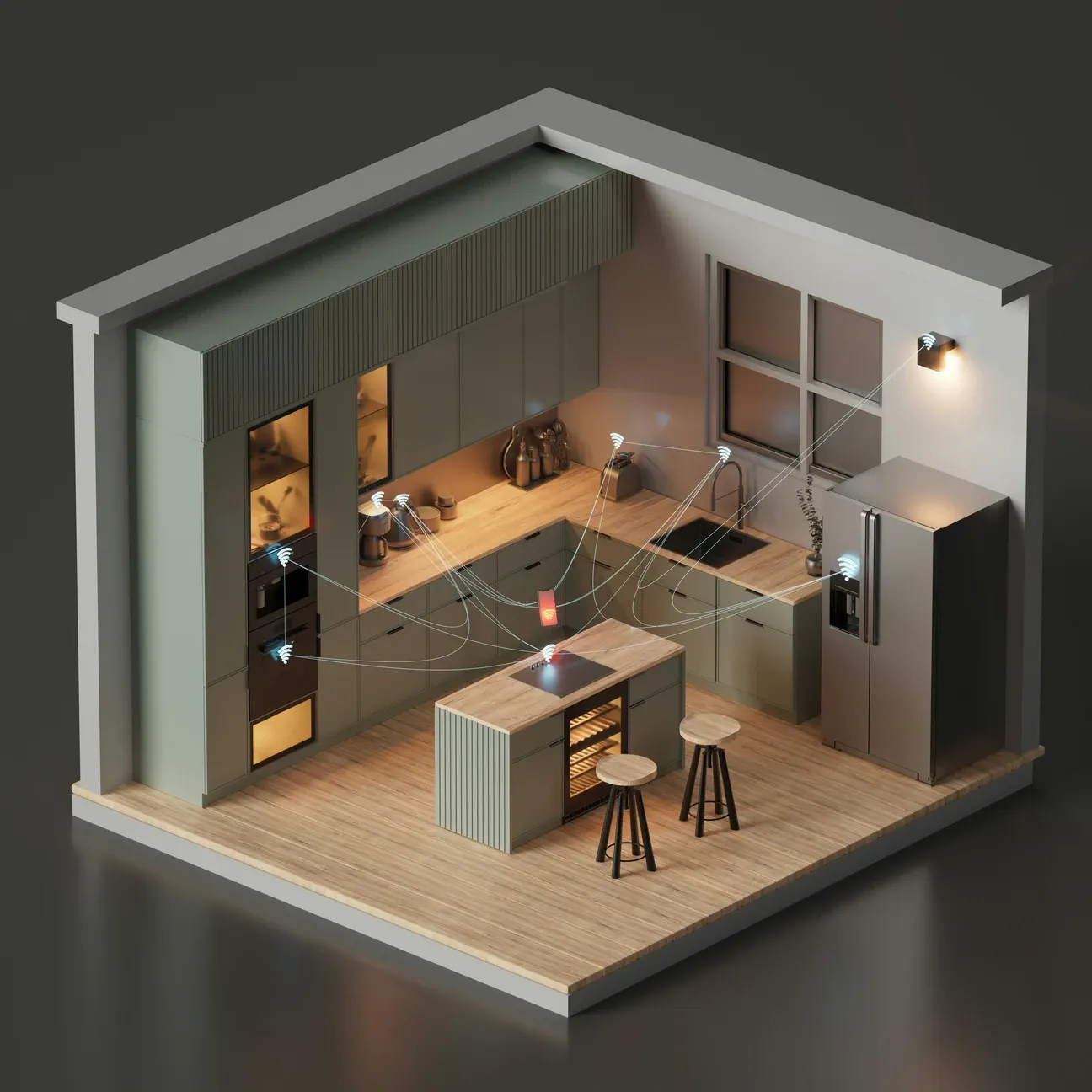
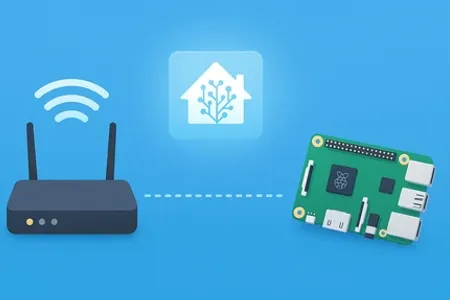
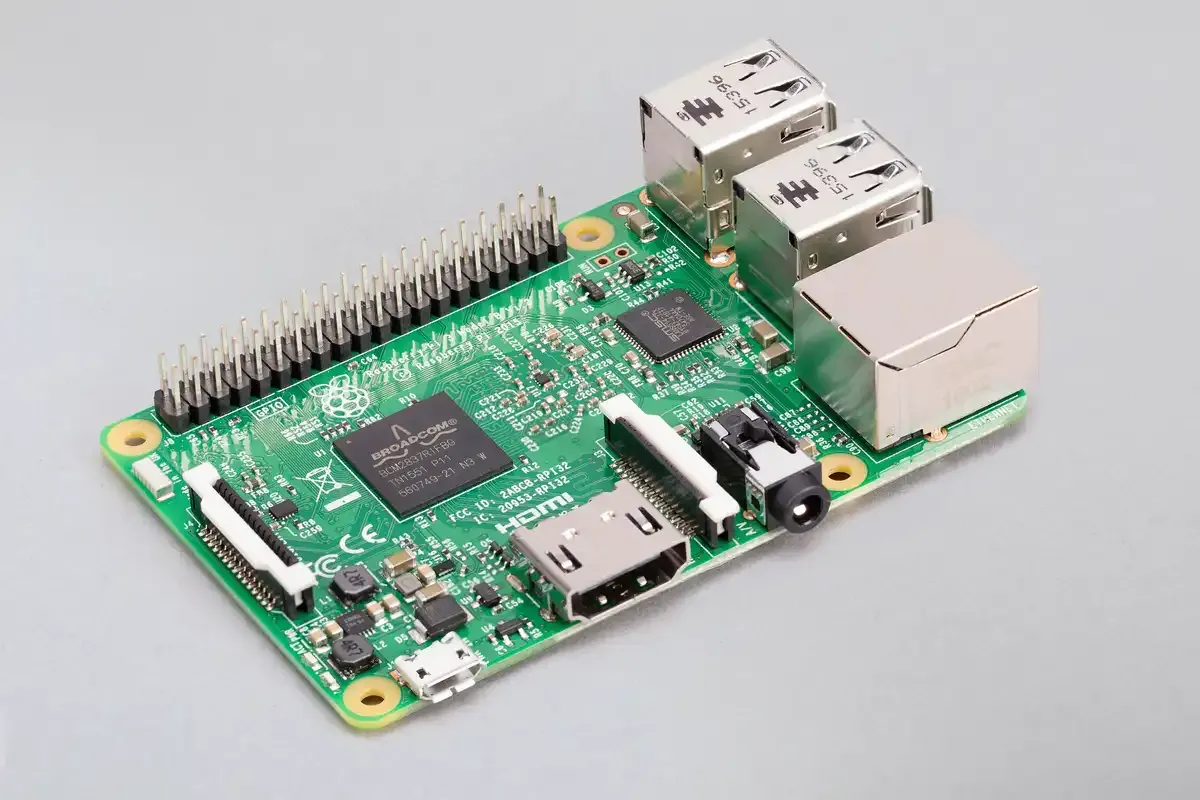
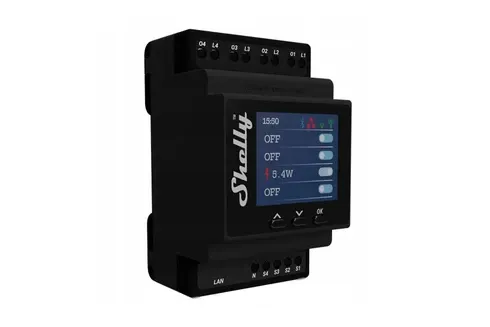
Most modern gadgets rely on Wi-Fi, Bluetooth, Thread, or Zigbee to share data and receive instructions. As you layer multiple products, ensure they support the same networking standard-or use a powerful hub to translate protocols-so everything operates smoothly under one digital roof.
Key Advantages of Smart Devices
- Convenience: Automate lights, locks, and entertainment with hands-free voice control.
- Energy Savings: Track usage and schedule devices to power down when you’re away.
- Security: Receive instant alerts from cameras, doorbells, and motion detectors.
- Personalization: Craft scenes-like “Movie Night” or “Morning Routine”-for flawless ambiance.
- Scalability: Start small with a single plug, then expand into a fully integrated system as needs grow.
Must-Have Smart Devices for 2024
Smart Speakers
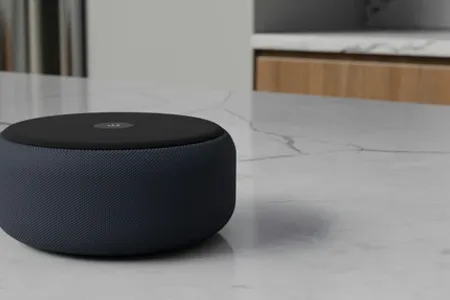
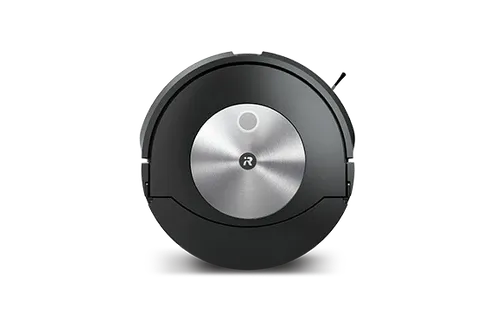
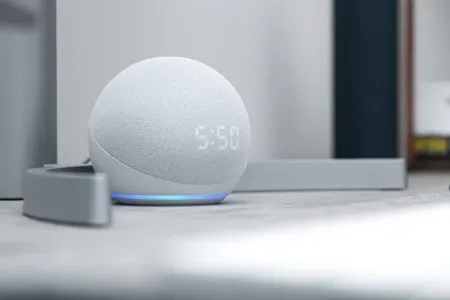
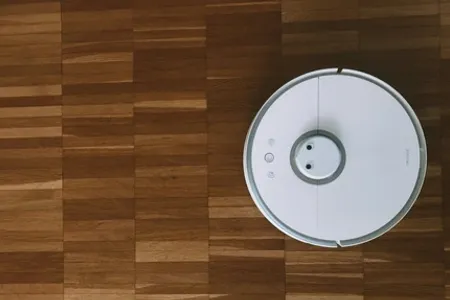
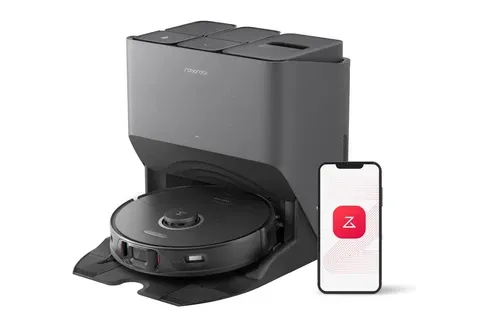
The latest smart speakers, including the Amazon Echo and Google Nest lines, do far more than play music. They double as central hubs, letting you issue voice commands to lights, thermostats, and even robot vacuums. Improved microphones isolate your voice from background noise, while new spatial audio drivers deliver room-filling sound.
Smart Thermostats
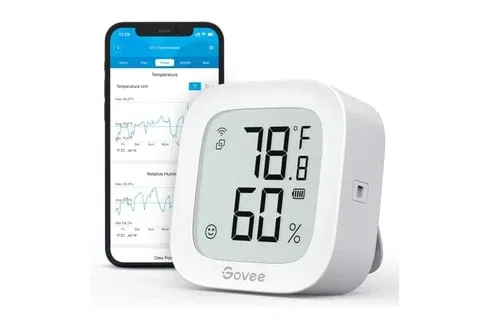
Smart thermostats such as the Nest Learning Thermostat or ecobee Smart Thermostat Premium analyze occupancy patterns and local weather forecasts to fine-tune HVAC performance. Over time, the device builds a schedule that matches your comings and goings, trimming energy waste without sacrificing comfort.
Smart Security Solutions
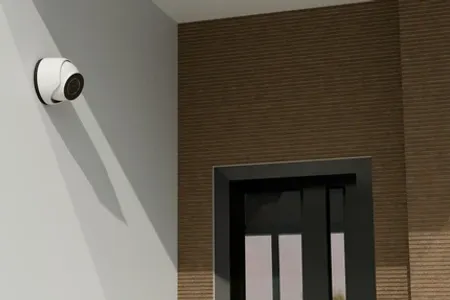
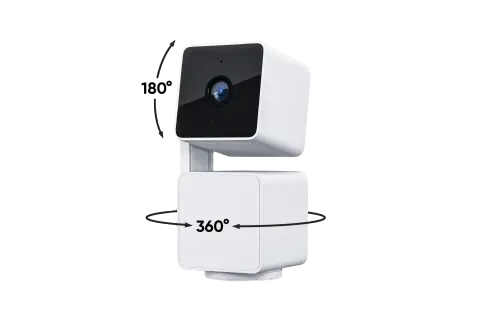
A robust security setup begins with smart cameras and smart doorbells that live stream HD video straight to your phone. Pair them with smart locks that generate temporary digital keys for guests, contractors, or dog walkers. Many modern systems now incorporate AI, distinguishing pets from people to reduce false alarms.
Smart Lighting
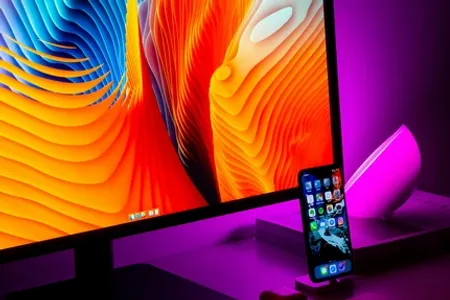
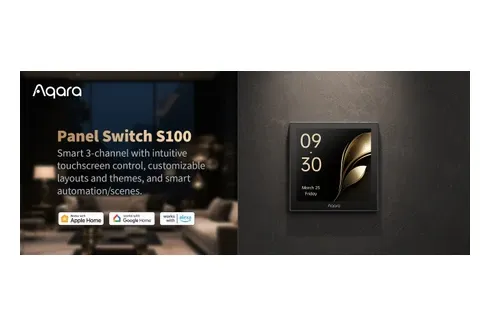
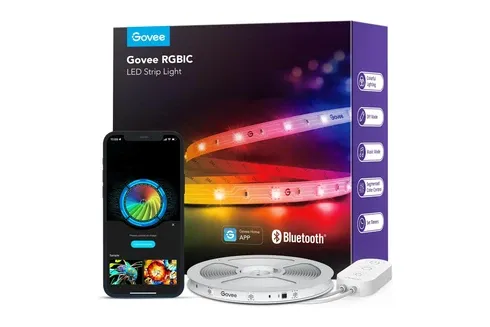
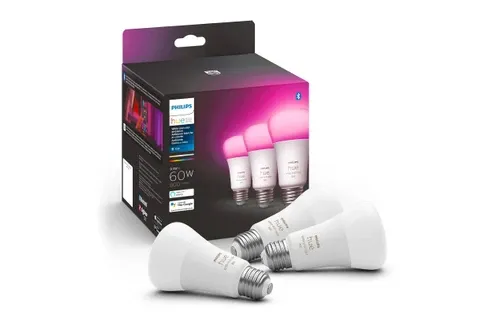
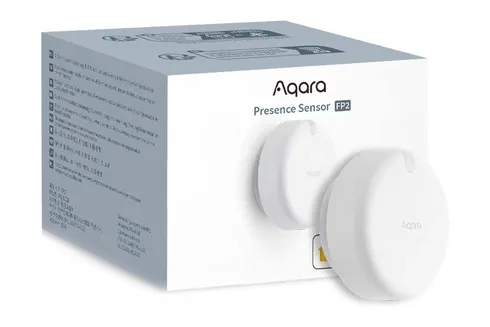
From vibrant color scenes to gentle wake-up routines, smart lighting transforms mood and efficiency alike. Brands like Philips Hue and LIFX offer tunable white and RGB strips that sync with music and movies for immersive experiences. Connect motion sensors to trigger hallway lights at night, guiding late-night snack runs safely.
Smart Appliances
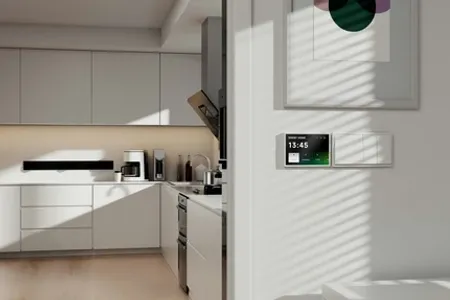
Smart fridges track expiration dates, suggest recipes, and display shopping lists on a touchscreen. Meanwhile, ovens can preheat on your commute home, and washers alert you when a cycle finishes. These appliances connect through a single dashboard, creating an intuitive command center for your kitchen and laundry room.
Smart Plugs & Power Strips
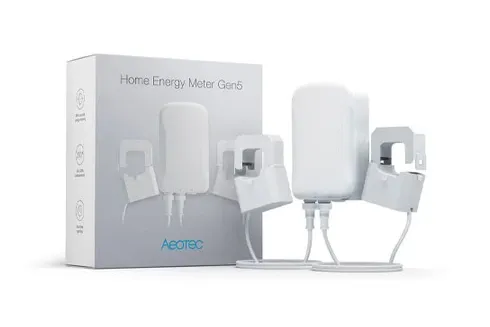
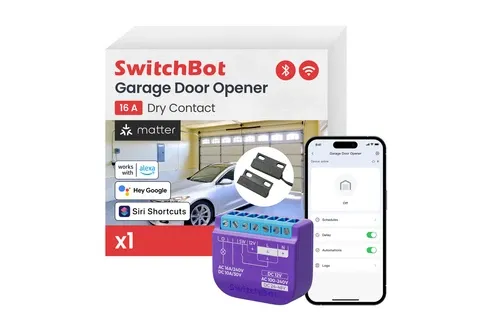
Converting “dumb” electronics into Smart Devices is easy with Wi-Fi plugs. Schedule lamps to switch on at dusk or cut power to energy-hungry gadgets while you sleep. Advanced power strips even monitor real-time consumption per outlet, spotlighting hidden energy hogs.
Smart Irrigation Controllers
Weather-aware irrigation systems use local forecasts and soil moisture readings to water lawns precisely when needed. Over-watering becomes a relic of the past, saving money and supporting sustainable gardening practices.
Choosing the Right Smart Devices
Compatibility and Ecosystem
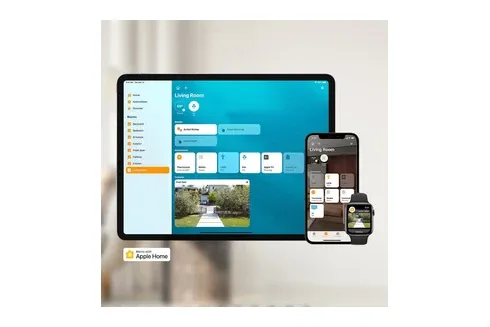
Before clicking “buy,” confirm each new gadget plays nicely with your existing ecosystem-be it Alexa, Google Home, or Apple HomeKit. A harmonious network avoids headaches and allows you to craft multi-device routines effortlessly.
Privacy and Security
Because Smart Devices handle sensitive data, look for products offering end-to-end encryption, two-factor authentication, and the option to store footage locally. Regular firmware updates are equally critical to patch vulnerabilities promptly.
Budget and Priorities
Prices range from inexpensive smart plugs to premium appliances. Prioritize devices that deliver the biggest impact on your daily life-perhaps a thermostat for energy savings or a speaker for entertainment-and expand as funds allow.
Installation Tips for a Smooth Setup
- Place routers centrally to maximize Wi-Fi coverage for bandwidth-intensive devices like cameras.
- Update firmware immediately after installation to access the latest security patches.
- Label each gadget within your app; “Kitchen Lamp” is simpler than “Device_1234.”
- Group Smart Devices into rooms or scenes so you can control multiple products with a single command.
Maximizing Long-Term Value
Regularly review your automation routines. As habits shift-say, a new work schedule-tweak thermostat settings and lighting scenes. Many apps generate usage reports; analyze them quarterly to identify further energy-saving tweaks.
Future Trends in Smart Devices
As Smart Devices continue to evolve, several trends are shaping the next wave of home innovation. One of the biggest movements is the rise of edge processing, which allows gadgets to make decisions locally rather than relying on cloud services. This reduces latency, boosts privacy, and ensures critical actions-like unlocking a door or detecting motion-occur even during internet outages. Another trend gaining traction is the expansion of interoperability, especially with emerging standards that allow brands to communicate more seamlessly than in previous years. As a result, homeowners can mix and match devices without being locked into a single vendor’s ecosystem.
Voice assistants are also becoming more intuitive thanks to advances in machine learning, enabling them to understand contextual commands and predict needs more accurately. Smart lighting and thermostats may soon adjust based not only on schedules but also on emotional cues or biometric data collected by wearables. Meanwhile, energy management will continue to improve as sensors gain the ability to track consumption patterns in real time. This will help homeowners cut waste, lower bills, and embrace greener habits with minimal effort.
Looking ahead, the integration of robotics in everyday household tasks will expand far beyond vacuuming. Robots may handle window cleaning, lawn care, or even basic cooking preparation. Combined with enhanced safety features and sustainable materials, the future of Smart Devices promises a more autonomous, comfortable, and eco-friendly home environment.
Expanding Your Smart Device Strategy
As smart technology becomes more accessible, many homeowners find value in developing a long‑term strategy for device expansion. Instead of buying gadgets at random, it helps to think about how each new tool will fit into your daily routine and whether it can scale with your future needs. Consider starting with a strong foundation, such as a reliable smart hub or a mesh Wi‑Fi network, to ensure everything stays connected as your system grows. This approach reduces setup time and limits connection issues as you add more advanced appliances, sensors, and automation tools.
Another key part of planning is understanding how your smart devices can enhance comfort beyond simple automation. For example, adaptive lighting can influence mood and productivity, while predictive thermostat adjustments can make mornings smoother and evenings more relaxing. As more brands embrace cross‑platform compatibility, homeowners gain the freedom to choose devices that excel in specific roles rather than forcing a one‑brand ecosystem. This flexibility opens the door to higher performance, better pricing, and more customization.
It is also worth exploring how smart devices can support accessibility. From voice‑controlled lighting to automated door locks and leak sensors, the right setup can make homes safer and more comfortable for individuals with mobility challenges or busy lifestyles. By weaving thoughtful automation into everyday routines, you create a living environment that feels supportive, intuitive, and future‑ready.
Building Your Smart Device Foundation
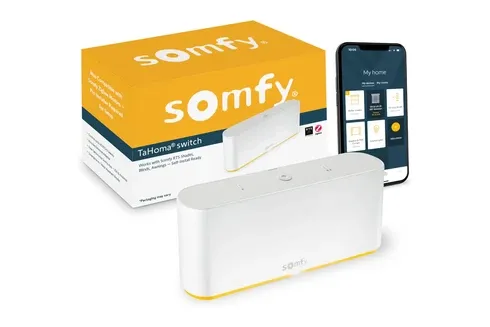
Every successful smart home starts with a clear vision of what you want to accomplish. Whether your priority is energy savings, convenience, security, or a combination of all three, selecting the right foundation devices sets the tone for future expansions. A quality smart hub serves as the nerve center, enabling communication between devices and cloud services while offering local control for critical functions. When selecting your foundation, consider devices that support multiple wireless protocols, as this flexibility allows you to incorporate products from various manufacturers without compatibility headaches. Starting with versatile components ensures your investment remains relevant as new technologies emerge.
Final Thoughts
As the landscape of Smart Devices continues to grow, homeowners gain even more opportunities to streamline daily tasks and improve comfort in meaningful ways. By embracing devices that can adapt to your routines and respond to subtle changes in your environment, you create a living space that feels supportive rather than demanding. The rise of interoperable platforms also means you are no longer bound to a single manufacturer, which allows you to experiment with new categories of gadgets as your needs evolve.
In addition, the rapid advancements in energy efficiency make Smart Devices essential tools for anyone looking to reduce their environmental impact. Whether you rely on smart plugs to cut down standby power, smart thermostats to manage heating and cooling, or intelligent lighting to fine-tune brightness throughout the day, each small upgrade contributes to a healthier home and planet. Even better, these tools often require minimal maintenance once installed, freeing up more time for activities you enjoy.
As smart ecosystems mature, another important factor to consider is how these technologies can support long-term sustainability in ways that go far beyond simple energy monitoring. Many modern Smart Devices now integrate with renewable energy systems, allowing homeowners to track solar production, shift appliance use to off‑peak hours, and automate charging cycles for electric vehicles. This deeper integration not only lowers monthly bills but also helps stabilize the broader energy grid. Over time, such features will become essential tools for eco‑conscious households seeking practical steps toward greener living.
Additionally, it is worth noting how Smart Devices can enhance home resilience. For example, water leak sensors can alert you to hidden plumbing issues before they become costly repairs, and smart smoke detectors can send real-time warnings even when you are away. As weather patterns grow more unpredictable, these early‑warning capabilities provide valuable peace of mind. Many homeowners already use automation to manage indoor humidity, air quality, and temperature, helping maintain a healthier environment for families and pets alike.
Ultimately, the ongoing evolution of Smart Devices reveals a promising direction for modern living. By combining automation, sustainability, and proactive protection, these technologies make it easier than ever to create homes that are efficient, responsive, and ready for the future. As prices continue to drop and installation becomes simpler, more households will be able to experience the benefits of connected living without requiring technical expertise or significant upfront investment.
Whether you are just starting with a single smart plug or planning a comprehensive whole‑home system, the key is to choose devices that align with your daily habits and long‑term goals. With careful planning and thoughtful integration, Smart Devices can transform your home into a more comfortable, secure, and efficient living space that adapts naturally to your needs.
The future of smart living is within reach for homeowners at every budget level, and the time to start is now. By investing in quality Smart Devices and taking advantage of the latest automation features, you position yourself to enjoy a home that truly works for you.
Smart Devices represent one of the most practical and rewarding investments you can make in your home. They offer tangible benefits that improve daily life, from the moment you wake up until you go to sleep at night. The combination of convenience, security, energy savings, and personalization makes smart home technology appealing to households of all types. Whether you live alone and value convenience, have a family seeking safety and automation, or are an environmentally conscious homeowner focused on sustainability, there is a smart device strategy that serves your needs. The key is to start with a clear understanding of your goals, build a strong foundation with compatible devices, and expand gradually as your comfort and expertise grow. With the right approach, you will find that smart devices become indispensable tools that enhance comfort, reduce costs, and provide peace of mind every single day.
Begin your smart device journey today and experience how connected technology can transform your home into a more efficient, secure, and enjoyable living space that adapts to your unique needs and lifestyle. Take the first step toward smarter living by exploring the devices and solutions that match your priorities and budget. The possibilities are endless when you embrace the power of intelligent automation and connected living in your everyday routine.
Every day brings new opportunities to simplify tasks, save energy, and enjoy the comfort that smart technology provides in homes around the world. The revolution in connected home technology makes it easier than ever to create living spaces that truly work for you and your family. With prices continuing to drop and installation becoming increasingly straightforward, there has never been a better time to explore the benefits of smart devices in your own home.
Start with one device that addresses your most pressing need and build from there as you discover the possibilities of connected living.
Begin your smart home journey today and unlock a future where technology works seamlessly in the background to enhance comfort, security, efficiency, and convenience in every corner of your living space.
The transformation of homes through Smart Devices is one of the most significant developments in residential technology. Households that embrace connected devices gain measurable benefits through reduced energy costs, enhanced security, and increased daily convenience. The key to success lies in selecting devices that align with your lifestyle, choosing compatible platforms, and expanding your system gradually as your needs evolve. With smart technology becoming increasingly affordable and accessible, now is the ideal time to explore how Smart Devices can transform your home into a more intelligent, responsive, and efficient living environment that truly works for you and your family.
Start building your smart device ecosystem today and experience the transformative power of connected home technology. The journey to a smarter home begins with a single device and grows into a comprehensive system that enhances every aspect of your daily living experience.
The decision to invest in Smart Devices is ultimately about improving your quality of life. Whether you're busy professionals seeking more time through automation, parents prioritizing safety with enhanced monitoring, or homeowners focused on reducing environmental impact through efficiency, Smart Devices provide tools that directly support your values and goals. Your home becomes an extension of your preferences and needs, responding intelligently to your presence and routines without requiring constant attention or complex technical knowledge.