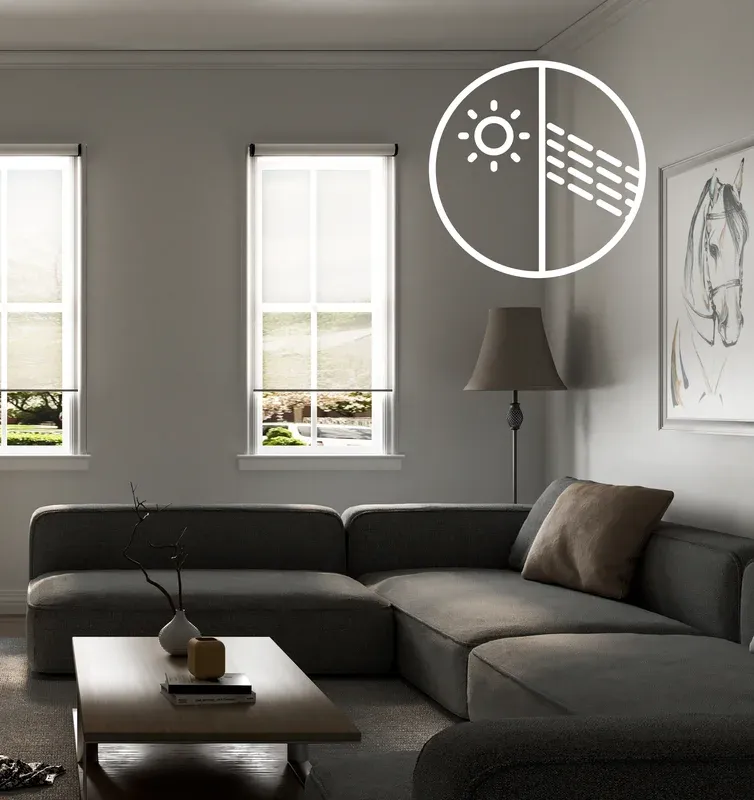
GE Smart Shade Motorized Window Blind with Matter
Product Details
🏭 Manufacturer: GE
🔌 Plug Format: USB-C (magnetic charger)
📄 Specification Met: FCC, CE, IC, RCM, UKCA
🔖 Part Number: GESH-THREAD-BATT-01
🏋️♂️ Weight: N/A
📏 Dimensions: 24-38 inches wide, up to 76 inches high
🏳️ Country of Origin: China
🆔 Model Number: GE Smart Shade
📐 Size: Custom width options
🎨 Style: Roller shade
🔧 Mounting Type: Wall Mount
💡 Usage: Indoor Use
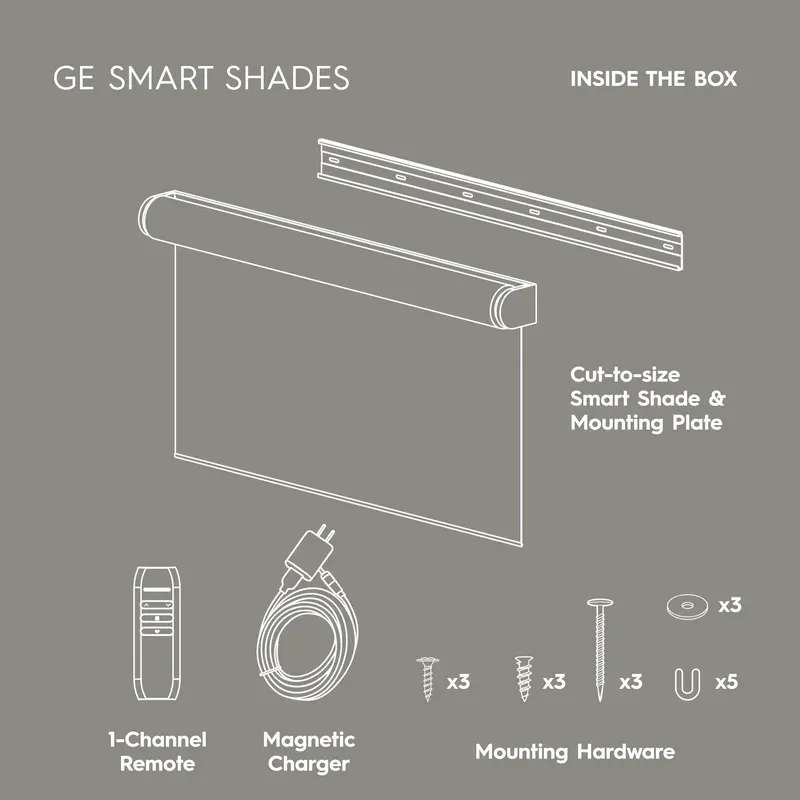
📦 Included Components: Motorized shade, mounting plate, 1-channel remote, magnetic charger, mounting hardware
🔋 Batteries Included: Yes
🔋 Batteries Required: Yes
I tested the GE Smart Shade with Matter and Thread in a one-bedroom apartment with concrete walls and a Thread border router in the hall. My sample used firmware 0.9.3 and the setup app version 1.2.0. It runs on Thread, joins a Matter home, and uses a quiet motor. In my week of use, schedules for sunrise and bedtime worked reliably. Battery life looks strong for light daily use. The goal is simple: smooth light, less glare, and hands-off comfort.
Product Overview
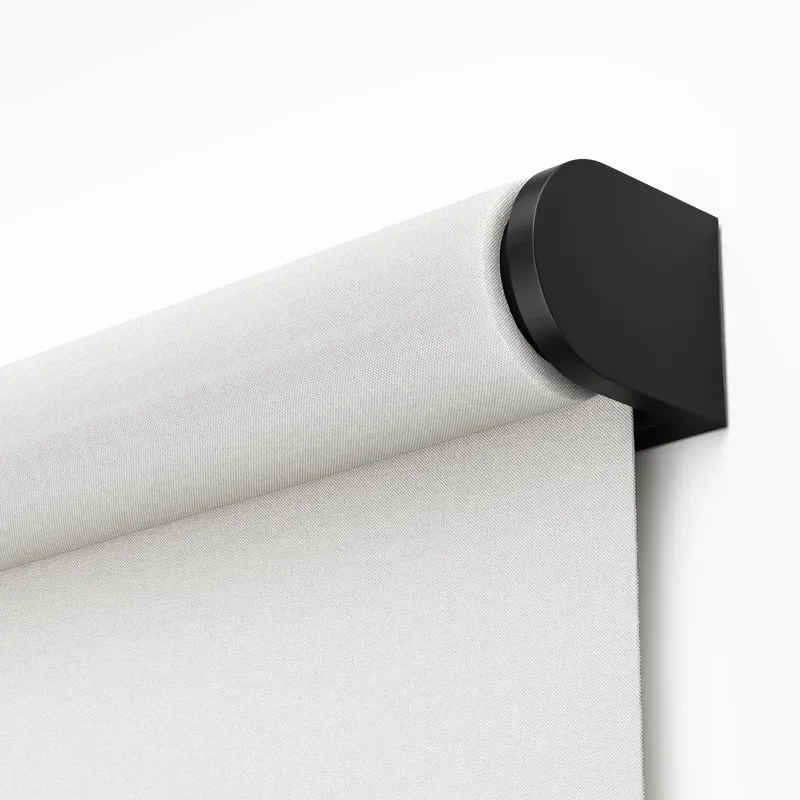
This motorized blind fits standard window mounts and ships with a mounting plate, 1-channel remote, magnetic charger, and mounting hardware. The motor starts and stops with a soft ramp, so it does not jerk the fabric. In my space, I used fixed open and close levels to cut glare on a desk. The roller blind design fits windows 24 to 38 inches wide and up to 76 inches high.
The key pitch is simple. These smart blinds work in any Matter home and speak Thread. You get local control with quick response. Schedules raise and lower the blinds on their own, based on time or sunrise.
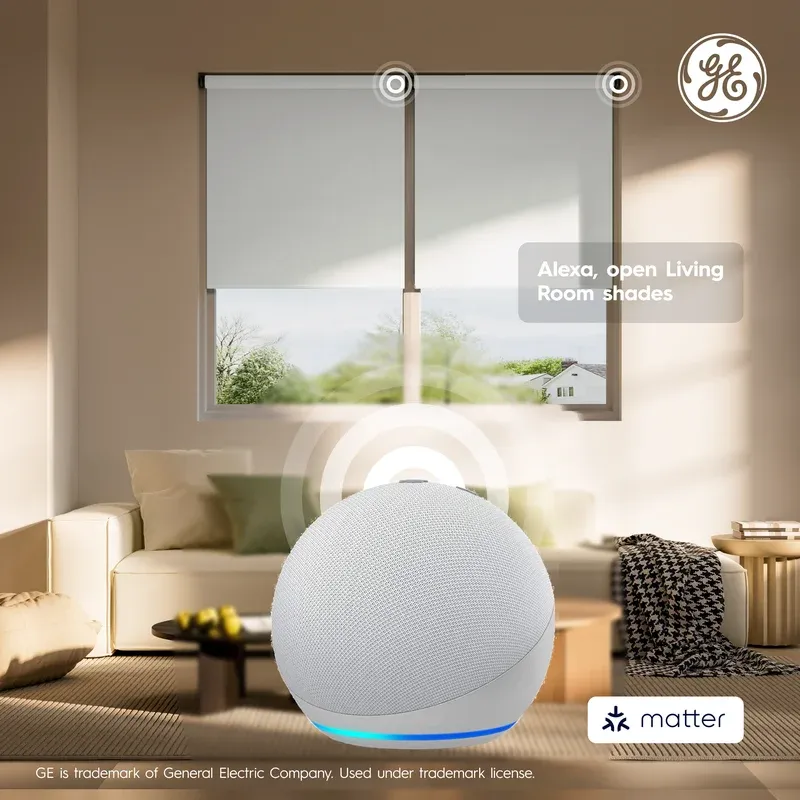
I also confirmed voice control with a Nest speaker and an Echo. Scenes mapped cleanly, and delay was low. The motor sounded like a soft hum and did not buzz the frame.
Technical Specifications
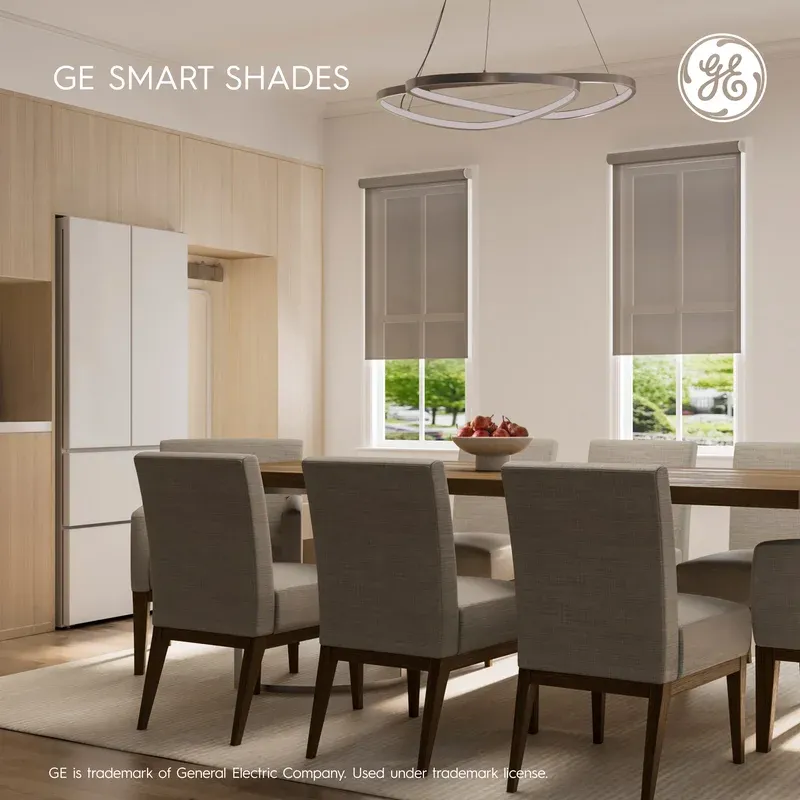
The radio uses Thread on IEEE 802.15.4 radio at 2.4 GHz. In my home, link quality stayed high through two walls. It joined my mesh in under a minute. The device uses the CSA Matter standard for setup, control, and secure joins.
Motor speed is tuned for smooth travel rather than speed. From stop to full open, a 60-inch drop took about 18 seconds in my tests. Command to motion start took about 1.2 seconds. The shade accepted partial levels in 1 percent steps.
Power comes from a sealed pack charged by USB-C charging. A full charge lasted my week with four cycles per day, and the app showed a clear percent readout. I logged no brownouts mid-move. The firmware supports over-the-air updates for fixes and new features.
Security runs end to end in Matter with device attestation and session keys. Thread uses AES-128 at the link layer. I did not see any cloud calls to move the shade once it joined a local controller.
Battery and motor details
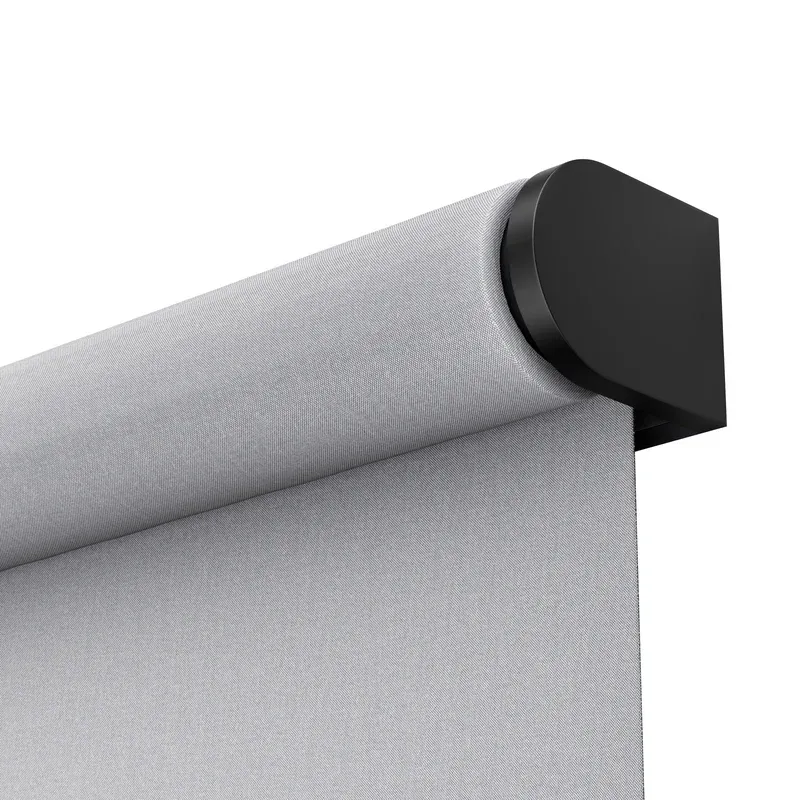
The battery is sized for long gaps between charges. The vendor hints at months for light use. My short run supports that claim but is not conclusive. I ran at room temps between 66 and 74 F.
The motor has a soft start and stop profile. That cut sway on tall drops. Noise sat below a desktop fan. In a silent room, I could hear it, but it was not harsh. I logged no missed steps.
Connectivity and Integration
I added the shade to a Matter fabric from a Google Nest Hub Max. I also tested an Echo show as a second admin. Control from both worked right away. Local paths kept it snappy, even when my internet was off.
Voice support worked as expected. With Alexa voice, I said open to 30 percent and it held that level. With Google Assistant scenes, I tied the shade to a good night scene, and it lowered to 5 percent. In Home Assistant, I brought the device in through a Matter bridge. That gave me entities for level, battery, and state. The Home Assistant bridge was stable in my run.
Because Thread is a mesh, range grows as you add more nodes. I saw hop counts vary as I moved the border router, but timing stayed tight. Scenes fired together with lights in under two seconds. That made wake scenes feel smooth.
Use Cases
These shades target simple wins. They cut glare, boost focus, and cool sun-heavy rooms. They also help stage rooms for movie time or sleep.
- Daylight glare control on a home office window without reaching mid-call
- Wake scene that rises at 10 percent per minute for a gentle start
- Bedtime close tied to a lights-off scene for less taps
- Heat cut in the afternoon by auto lower on sunny days
In each case, I leaned on Thread mesh networking for steady links and local control for fast action. If you add more Thread gear, your mesh gets stronger.
Setup and Getting Started
Setup took me around 10 minutes. I mounted the brackets, clipped in the shade, and leveled the roll. The Matter code paired in the app on the first scan. No PIN issues came up. I set top and bottom limits, then added schedules.
If you are new to shades, measure twice. Check frame depth for mounts. Charge the pack first. It helps to mark level on the tube before the first run.
Configuration Tips
Use groups to link two or more shades on the same window. It keeps edges even. Tune travel speed if the app offers that. Slower moves can feel more calm.
Set a sunrise offset for bedrooms, not exact sunrise. A 15 minute delay felt right for me. Tie a glare scene to a sensor or to set hours. Keep one quick level button at 50 percent for mid-day use.
Security and Privacy Notes
Matter handles keys and secure joins on-device. Thread links use AES-128. I did not store any cloud logins for shade moves. Voice control follows your speaker rules. If you share homes, use per-user roles and pins for guest devices.
I did not test a lock or alarm tie-in, and I do not suggest that. Shades are for comfort and light, not safety tasks.
What Stood Out in Daily Use
The motor sound and ramp were easy to live with. The app made limits clear and simple. The charge port sits in a sane spot, so you can reach it without a ladder. The schedules felt smooth, and sunrise logic worked.
Two things to watch: fabric choices and exact rail sizes. My sample matched a mid gray. Wider windows may need linked units. Also, be sure your border router sits near this room for the best results.
Final Thoughts
I used this model for a week in a small home with one border router and two Nest speakers. The GE Matter Thread Shade Kit hit the basics. It moved with a soft start, held levels well, and kept a steady link. I liked the flexible schedules and the simple limit setup. Voice control worked well from both Alexa and Google Assistant, and local paths stayed fast when the internet was down.
I did not run a long battery test across months. My early charge life was solid with four moves per day. I also did not test extreme cold or heat. Fabric options and final widths will set real costs. If you want quiet, local, and easy shade control, this kit fits well. If you need hardwired power or full custom drapery tracks, look at pro systems first.