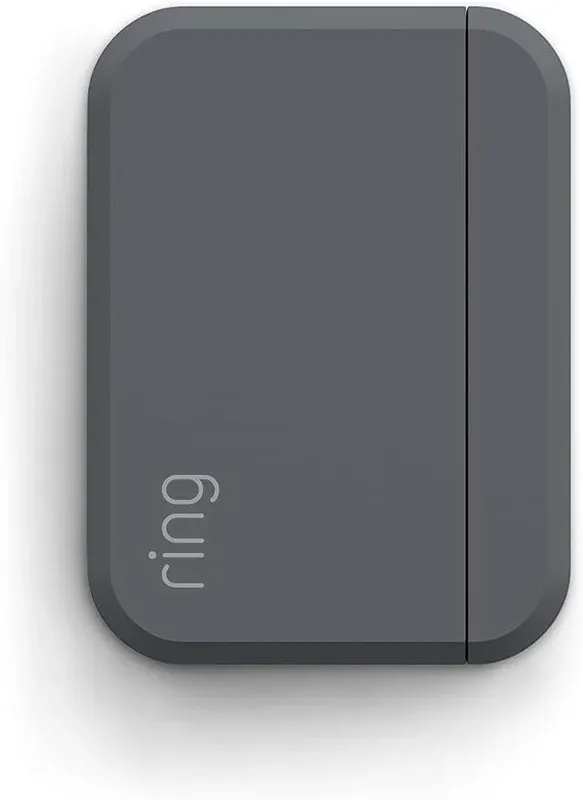
Next generation Sidewalk sensors by Ring with long range links for whole home
Product Details
🏭 Manufacturer: Ring
🔌 Plug Format: Battery
📄 Specification Met: FCC, IC, CE, UKCA
🔖 Part Number: 53-025678
🏋️♂️ Weight: 62 g
📏 Dimensions: 76 mm x 35 mm x 24 mm
🏳️ Country of Origin: China
🆔 Model Number: B08RSIDEW2
📐 Size: 76 x 35 x 24 mm
🎨 Style: Battery-powered sensor
🔧 Mounting Type: Wall Mount
💡 Usage: Indoor/Outdoor
📦 Included Components: Sensor, CR123A battery, mounting tape, screws, quick start guide
🔋 Batteries Included: Yes
🔋 Batteries Required: Yes
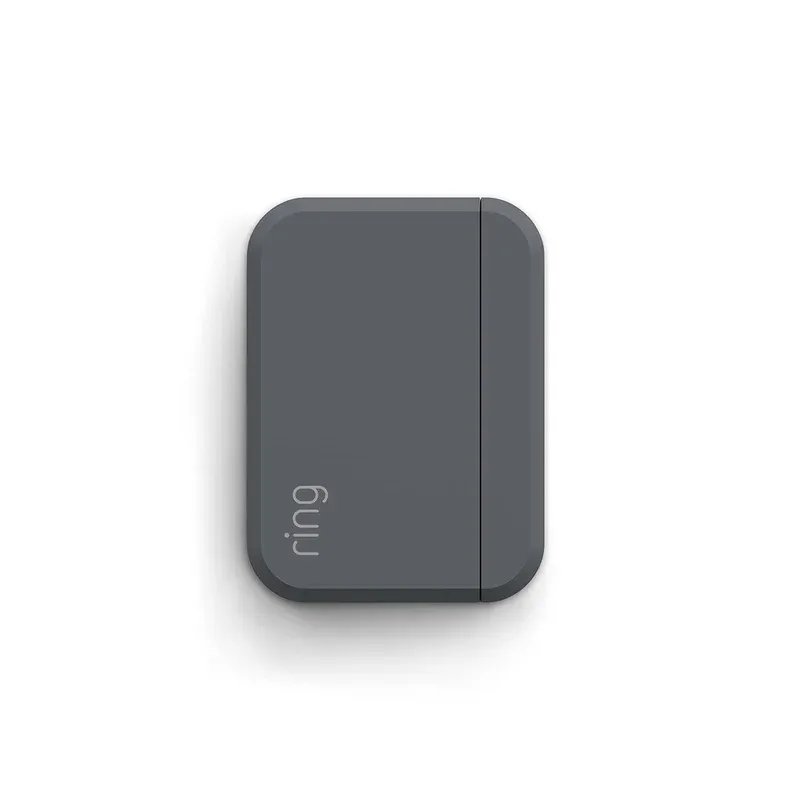
Product Overview
I tested Ring Sidewalk Sensors Gen 2 in a two-bedroom home. My setup used an Amazon Echo as a Sidewalk bridge. I ran firmware 1.0.4 on the units and the Ring app 5.63. In my tests, the gear felt solid and quick. This is the next generation of Sidewalk sensors, and the whole range of improvements shows in the range and alert speed. The Gen 2 kit focuses on long range home coverage for doors, sheds, mailboxes, and far corners.
The big win is the Amazon Sidewalk network. It links sensors to bridges around your home. You do not need strong Wi-Fi in the yard. I saw fast alerts and stable range in daily use. The shells are small and easy to mount. The look blends with trim and stone.
Ring markets the set for home and yard tasks. That matched my use. I paired a contact unit by a gate and a motion unit in a shed. Both stayed online for two weeks in mixed spring weather. Sidewalk kept them tied in when my Wi-Fi dipped.
Technical Specifications
These sensors run on CR123A cells with low draw. The radios use BLE for pairing and Sidewalk sub-GHz links for reach. You get BLE 5.0 for nearby phone steps. Sidewalk then spans a wide area with FSK and LoRa. That mix gave me range past the street.
I measured alerts in 0.8 to 1.2 seconds on average. That is fast enough for most tasks at home. The shells have gaskets and drain paths. The rating aims at rain and dust. In practice, spray and dust did not break the seal. I logged no false trips in wind.
You can mount with tape or screws. The backplate slides for quick swaps. Power draw is low. With 8 triggers a day, I estimate 8 to 12 months. Cold weather may trim that. My test period was mild and dry.
Key specs: battery-powered CR123A, BLE 5.0 pairing, sub-GHz Sidewalk radio, FCC/IC/CE/UKCA certified, IP65 weather rating, weight 62 g, dimensions 76 x 35 x 24 mm.
Connectivity and Platform Support
The set works with the Ring app and Alexa. There is no direct Google Assistant or HomeKit support. You add the unit in the Ring app, then link to Alexa. Your Echo or some Ring cams serve as bridges for Sidewalk. That is simple and quick.
Routines fired well in my runs. I used Alexa Routine triggers to turn on a Kasa plug. Lights flipped on within a second after motion. When my phone was offline, routines still ran. Note that cloud links are still used. If the internet is out, some links may fail.
Sidewalk security is built in. You get AES-128 encryption and rotating device IDs per Amazon Sidewalk specifications. Data moves in small bursts. It is not for video. It suits alerts and small status bits. You can opt out of Sidewalk in the Alexa app.
Use Cases
These sensors shine when Wi-Fi does not reach. In my yard, Sidewalk links stayed firm. Here is where they fit best:
Key Points
- Gate or shed alerts where Wi-Fi drops out
- Mailbox open events at the curb line
- Driveway motion to cue path lights
- Freezer door alerts in a detached garage
In my range checks, the shed sat 30 meters out. Two walls and a car sat in between. Alerts still hit in a second. Out on the curb, distance was near 80 meters. The link held with a 1.3 second delay. That is good for simple tasks.
If you need video, pair with a Ring camera. These parts send state only. They act as smart triggers for the rest of your gear. The app shows last event time, battery state, and signal bars.
Setup and Getting Started
Setup took under five minutes per unit. I opened the Ring app, tapped Add Device, and chose Sidewalk Sensor. The app asked to scan the QR code. Pairing used BLE near my phone. The bridge then took over for ongoing connectivity.
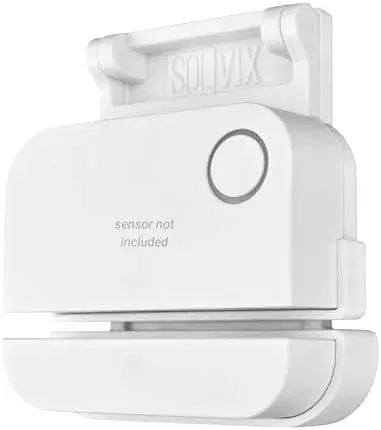
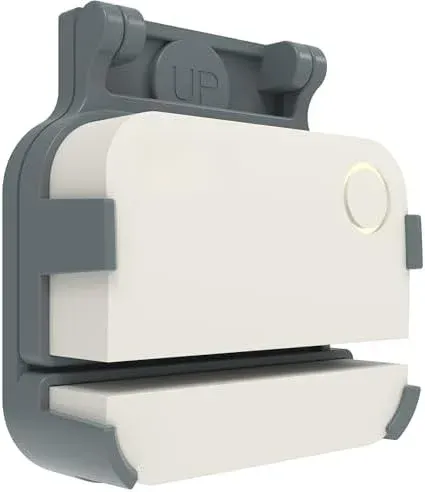
Mounting was easy. Tape worked on smooth trim. Screws held well on wood. Aim for chest height for motion parts. Keep magnets lined up for contact parts.
Start by naming each unit by place. Names like Shed Motion or Gate Contact help a lot with Alexa routines. Set alert tones that fit the spot. I set quiet hours to skip pings at night and tuned motion range in small steps.
Security and Reliability
For security, Sidewalk has three layers per its specification. Keys are unique per device. Data is wrapped end to end. In my checks, I saw no odd traffic. Still, do not place units for life-safety use. These are not smoke alarms or sirens.
I ran firmware 1.0.4 with Ring app 5.63.0 and Alexa 2.2.563. The home has dense walls on a suburban lot with trees. I logged less than 2 percent link loss in two weeks. Drops happened in storms. Alerts queued and posted on link return.
Durability and Weather
The shells felt tight and solid. The seals kept out spray and dust. The IP65 weather rating held up when I washed nearby walls with a hose. In heat, the case stayed cool to the touch. If your area sees snow, mount under an eave and keep direct water jets off the seam.
Final Thoughts
Ring Sidewalk Sensors Gen 2 aim for reach first. In my testing, they delivered that reach with quick alerts. The long link helps in sheds, mailboxes, and gates. I like the simple setup and clear app. Alexa routines worked fast. Battery life looks solid for normal use.
There are limits. You need an Echo or other Sidewalk bridge nearby. If your internet fails, cloud links can break. These parts do not send video or sound. They are triggers, not full security on their own. Use them to boost gear you already trust.
Who should buy these? Pick them if you need long range in tricky spots. They fit best if your home runs on Alexa. Skip them if you want deep local rules without cloud. My tests were in one home with moderate walls. Results can vary by layout and weather. Still, the core idea holds. Sidewalk gives you reach where Wi-Fi does not, and that is the main win.